
Restoring Essential Habitat Along Working Duwamish Shorelines
How do we bring the ecological functions salmon need back into developed waterways?
Long Live the Kings is partnering with Nucor Steel Seattle and the University of Washington’s Wetland Ecosystem Team (UW WET) to assess the effectiveness of the General Recycling Habitat Project.
An Essential Waterway
The Duwamish estuary is a vital waterway in Puget Sound.
It is also home to many businesses, historically marginalized communities like South Park and Georgetown, and provides essential habitat for juvenile salmon migrating to the ocean.
Over the past century of urban industrialization, the estuary has lost 97% of its original habitat for these fish. Without healthy estuary habitats, juvenile salmon face increased challenges in surviving to adulthood.
Habitat Connectivity
Linked habitats extend the impact of restoration.
This project connects to existing restored habitat at the adjacent Port of Seattle Terminal 105 Park (known as t̓uʔəlaltxʷ “toolalt”) to the north, creating a connected corridor of refuge for fish along one of the most industrialized stretches of the Duwamish River. Habitat connectivity matters. A single isolated patch of habitat is helpful, but a linked corridor is much more impactful.
Measuring Restoration Success
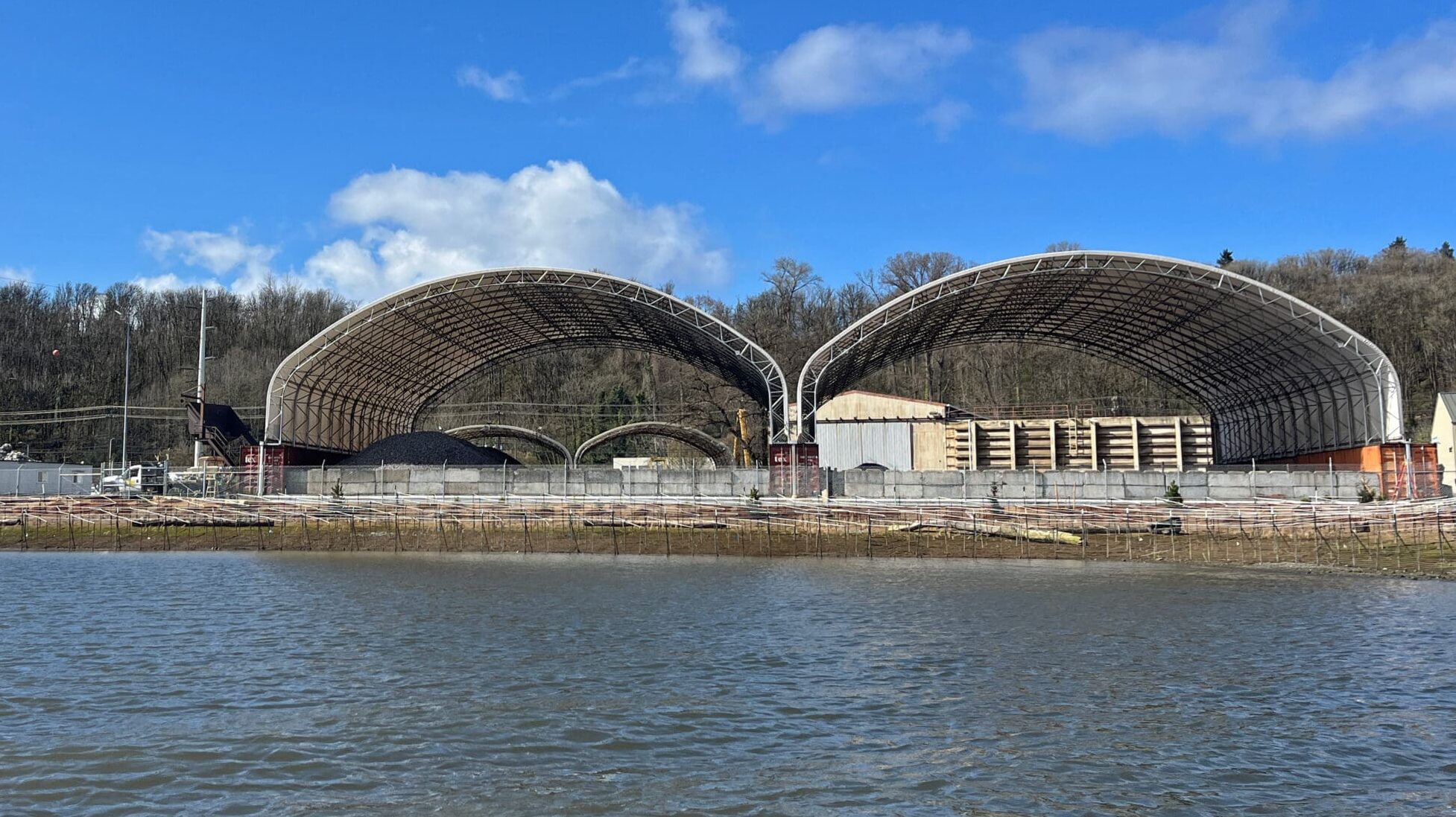
Monitoring is crucial in urbanized areas where land is limited, restoration options are scarce, and challenges are unique. Conducting long-term monitoring at the General Recycling of Washington shoreline will yield valuable insights into the recovery of urban ecosystems.
Estuarine and shoreline habitats are dynamic, with salmon populations exhibiting natural yearly fluctuations. New restoration sites require time to develop, and as they mature, our team will monitor the effectiveness of the site through fish and insect presence, assessing fish health, analyzing salmon diet contents, and examining benthic invertebrates in the new sediments. This will help highlight the environmental contribution of these sites and provide valuable data to support ongoing salmon recovery initiatives.