
Where to Spot Returning Salmon
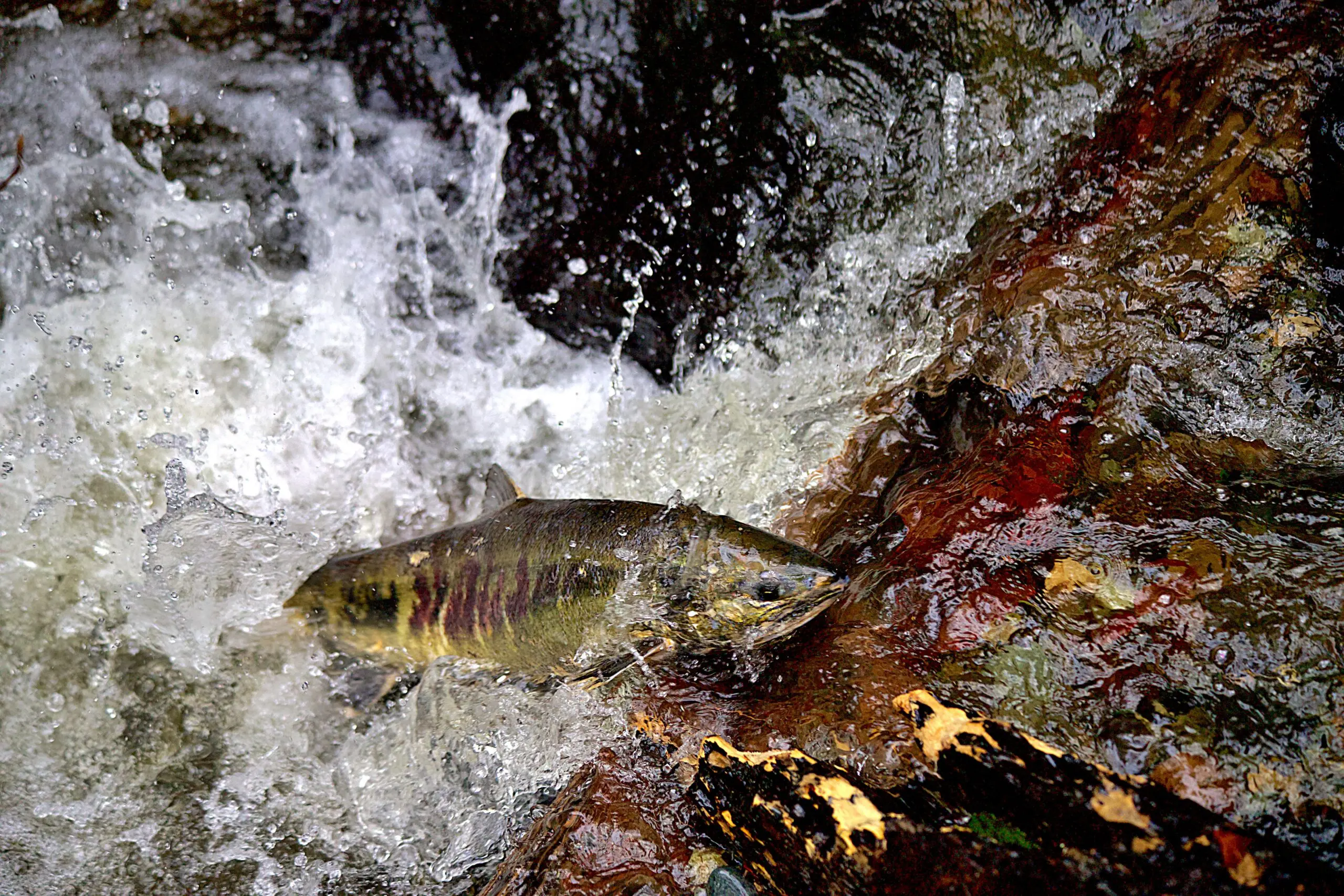
Watching salmon up close as they migrate upstream offers a truly unique experience. These keystone species undertake a demanding journey, with only about one percent making it back to spawn. Seeing migrating salmon up close means watching the fish that defy the odds to ensure the next generation.
There are many places to see salmon during their migration, many of which are only a short drive from Seattle. Knowing the right timing and conditions is key, as each can influence where they are in their journey.
Locations To Spot Salmon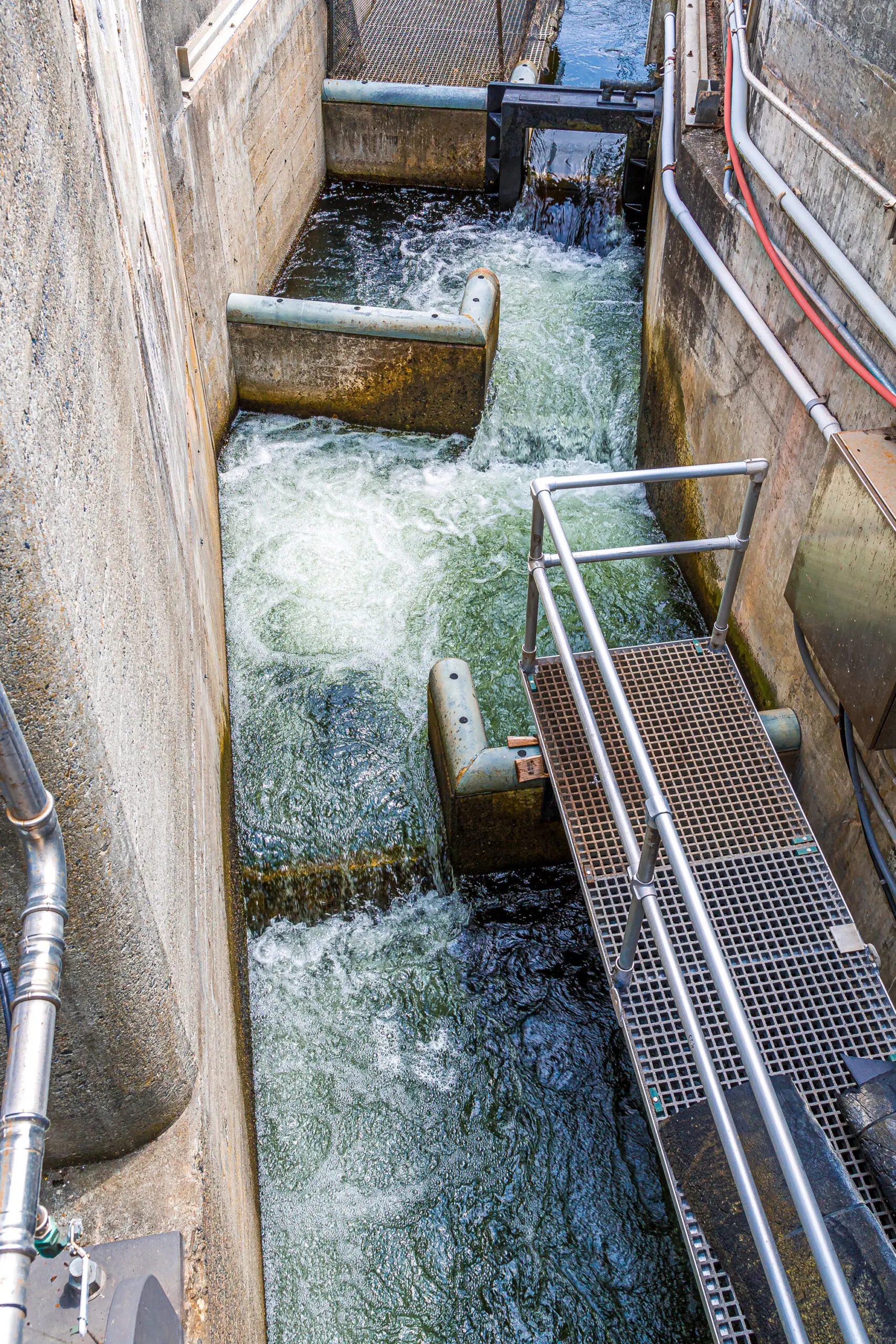
The Ballard Locks are an iconic location to see salmon passing through the fish ladder and viewing area. Every summer and fall, sockeye, Chinook, and coho salmon pass through the locks as they move into Lake Washington and then travel upstream into the Cedar and Sammamish Rivers or one of the smaller streams such as Issaquah Creek, where Chinook and Coho migrate back to the Issaquah Salmon Hatchery. These salmon have to contend with threats from predators, infrastructure, and environmental problems.
The Cedar River offers several opportunities to see salmon farther along in their migration, such as Landsburg Park and the Landsburg Fish Ladder on Cedar River Trail. Looking for deep pools, riffles, and quieter sections of the river where fish may rest is often a good place to start. Sockeye, Coho, and Chinook can be spotted from September through November in the river.
Chum salmon can be found in Piper’s Creek in Carkeek Park from late October, with the best time often occurring in November. Visitors can watch chum swim through the small creek from park trails or near the mouth of the creek in the Puget Sound early in the run. On weekends, volunteers from the Carkeek Park Salmon Stewards are often present to answer questions about the salmon and their migration.
In Olympia, the viewing platform near the 5th Avenue Bridge is another great place to look for returning Chinook from August till late September. These fish attract many visitors to the platform as the Chinook make their way into Capital Lake. From there, they travel up the Deschutes River, facing obstacles including Tumwater Falls in Brewery Park. Later in fall, the McClane Creek Trail in the Capital State Forest offers wheelchair-accessible viewing decks to watch chum move upstream from early November through mid-December.
Additional locations throughout Washington are available on the Washington Department of Fish and Wildlife’s website and in King County with the Salmon SEEson Explorer Guide.
Tips for Viewing Salmon
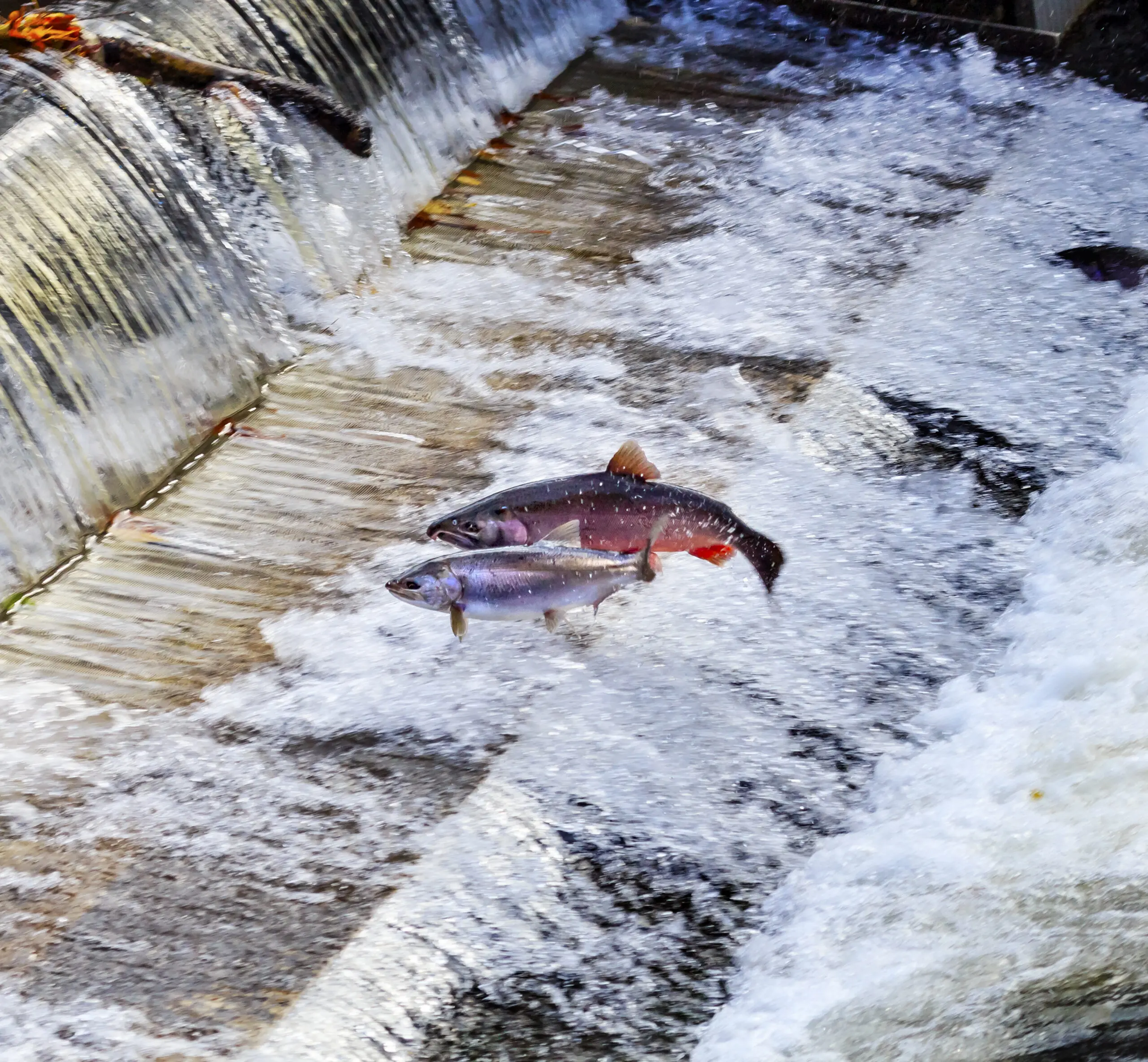
Look for salmon after rain, as higher flows can encourage salmon to move upstream, making them easier to spot. Wear polarized sunglasses to reduce glare and make fish easier to see when underwater. Runs do change from day to day, and conditions can vary with rainfall, water temperature, and the timing of each species’ migration. Salmon counts at places like the Ballard Locks, or live cameras at Issaquah Salmon Hatchery, can indicate the best time to visit.
To avoid disturbing the fish, move slowly and remain on land. Wading through water can interfere with spawning and damage redds, the gravel nests where eggs are laid. After a female lays her eggs, males have a limited time to fertilize them. To limit your impact, observe from a distance to avoid disrupting spawning.
After years in the Pacific Ocean, these fish travel through rivers, streams, waterfalls, fish ladders, and urban areas to reach their spawning grounds. Whether you watch salmon passing through the Ballard Locks, swimming up Piper’s Creek, or spawning in a forest stream, it’s a memorable opportunity to experience one of the most important natural events the Pacific Northwest offers.